
As the U.S. gears up for another round of sweeping tax reform, the One Big Beautiful Bill Act (OBBBA) is turning heads—especially among foreign individuals, dual residents and globally mobile families.
While domestic provisions are grabbing headlines, some of the most profound changes are happening quietly in the international tax space. Here’s what you need to know.
Expansion of U.S. Tax Jurisdiction over Dual Residents
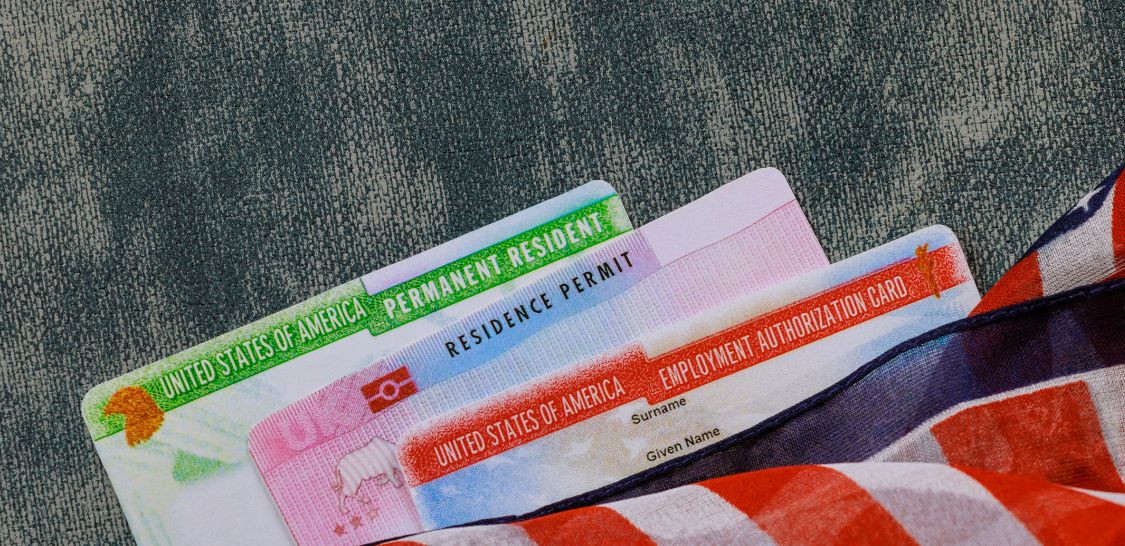
The OBBBA proposes narrowing treaty tie-breaker eligibility for individuals who claim non-residency under tax treaties. Dual residents who continue to hold strong U.S. ties—such as a green card or significant presence—could remain fully taxable in the U.S. despite foreign residency claims. This means more dual residents and green card holders may face worldwide taxation and increased scrutiny of treaty positions.
Stricter PFIC and CFC rules
U.S. shareholders, even minority owners, in foreign investment structures like passive foreign investment companies (PFIC) or controlled foreign corporations (CFC) could see:
- Lower ownership thresholds for Subpart F inclusion.
- Expansion of anti-deferral rules.
- Increased reporting through Form 8621 and Form 5471, even where prior exemptions applied.
This change is especially relevant for dual residents who own foreign mutual funds, startups or family businesses abroad.
Residency-Based Reporting Triggers
The IRS may introduce location-based reporting obligations, using digital footprints, financial transactions and biometric indicators to flag hidden U.S. ties. This targets individuals who attempt to “reside abroad but file like a nonresident.” It may impact individuals with lingering U.S. connections such as bank accounts, U.S. property, investments or dependents.
What Does This Mean for You?
This bill could materially change your U.S. tax exposure if you are one or more of the following:
- A dual resident suing a treaty tie-breaker position.
- A non-resident alien with U.S. business interests.
- A foreign subsidiary or PFIC/CFC shareholder.
- A globally mobile family with ties to the U.S.
How to Prepare
- Revisit treaty positions and supporting documentation.
- Review ownership in foreign corporations, funds and trusts.
- Coordinate with both U.S. and foreign tax advisors to minimize double taxation.
It’s also worth noting the proposed Residence-Based Taxation for Americans Abroad Act, a separate legislative effort that would allow U.S. citizens living overseas to elect to be taxed like foreign individuals on U.S.-sourced income. While this bill is not part of the OBBBA, its introduction highlights a growing conversation about modernizing the U.S. tax system for its citizens living abroad. If enacted, this could provide significant relief from the complexities of citizenship-based taxation
The OBBBA marks a significant shift in U.S. international tax policy. While it aims to create a more stable and permanent tax framework, it also introduces new complexities that require careful consideration.
It’s more important than ever to consult with a qualified tax professional to navigate these changes and ensure you’re in compliance while optimizing your tax position. Schedule an appointment with an RKL advisor today.